By: Daryoosh Khashayar, Founder and Managing Partner, Khashayar Law Group | ABOTA Member | Office: 1350 Columbia St., Suite 303, San Diego, CA 92101 | Practice Area: Personal Injury, Auto Accidents | Last Updated: September 2026.
Legal review note: This article was checked against the California statutes, case law, and traffic data cited below in September 2026. Laws change, and this is general information, not legal advice about your case.
The Straight Answer
Fault in a California car accident belongs to the driver whose negligence caused the crash, and California is a fault state, not a no-fault state, so the at-fault driver and their insurer pay for the harm. Fault is decided by evidence measured against the Vehicle Code, not by whoever spoke to the officer first. The police report matters, but it is an opinion that can be tested and overturned, and when both drivers blame each other, the case is decided by whichever account the physical evidence supports.
California Is a Fault State With Comparative Negligence
Two rules frame every auto accident claim in this state. First, the negligent driver is financially responsible for the injuries they cause. Second, under Li v. Yellow Cab Co. (1975) 13 Cal.3d 804, California applies pure comparative negligence: if you were partly at fault, your recovery is reduced by your percentage, never eliminated. A driver found 30 percent responsible for $1,000,000 in harm still recovers $700,000.
The Rules of the Road That Decide Most Crashes
Insurers and juries measure driver conduct against the Vehicle Code, and violating a safety statute that causes the kind of harm it was written to prevent creates a presumption of negligence under Evidence Code §669. The sections that decide the most cases:
- Vehicle Code §22350, the basic speed law: no faster than is reasonable for conditions. This is why the rear driver is usually, though not automatically, at fault in a rear-end crash.
- Vehicle Code §21801: a left-turning driver must yield to oncoming traffic until the turn can be made with reasonable safety.
- Vehicle Code §21453: red means stop, including a complete stop before a right turn on red.
- Vehicle Code §21451: a green light lets you proceed, but only after yielding to vehicles and pedestrians lawfully in the intersection.
How Fault Plays Out in Real Cases
These are published Khashayar Law Group results, each with its own case page:
- Red-light collision: a $4,900,000 settlement for a client injured by a red-light runner, with two back surgeries.
- Both drivers claimed the green: a $745,000 resolution after discovery and reconstruction proved our client had the right of way in a disputed intersection crash.
- Rear-end collision: a $2,250,000 result for a client whose vehicle was struck by an armored truck, with multiple surgeries, in a case the firm tried outside California under the same rear-end fault principles that apply here.
- Client blamed by responding officers: a $4,000,000 wrongful death settlement for a motorcyclist’s family after the rider was initially deemed at fault. The initial fault finding did not survive the evidence.
The Police Report Is Not the Final Word
A traffic collision report records the officer’s opinion, usually written without camera footage, vehicle data, or a reconstruction, and often without hearing from an injured person who left by ambulance. Insurers treat it as a starting point, and so should you. Reports are contested with intersection and business camera footage, vehicle event data, scene photographs, damage-pattern analysis, witness accounts the officer never took, and reconstruction experts. Our $4 million motorcycle case and $745,000 green light case both began with our client on the wrong side of the fault question. Also know your reporting duty: Vehicle Code §20008 requires a report to the CHP or local police within 24 hours of an injury crash.
Why Intersections Decide So Many Cases
The Federal Highway Administration reports that roughly one quarter of United States traffic fatalities and about half of all traffic injuries happen at or near intersections, which is why right-of-way statutes carry so much weight in fault fights. The stakes in California are substantial: the state Office of Traffic Safety reports 4,061 traffic deaths in 2023. Evidence at intersections is also the most perishable, since signal timing records and camera footage cycle out quickly.
Frequently Asked Questions
Is California a no-fault state for car accidents?
No. California is a fault state. The driver who negligently caused the crash, and that driver's insurer, are responsible for the resulting harm. You claim against the at-fault driver rather than your own policy, except for coverages like medical payments or uninsured motorist.
Who is at fault in a rear-end accident in California?
Usually the rear driver, because following too closely or driving too fast for conditions violates the basic speed law. It is a strong starting presumption, not an absolute rule: sudden unsafe lane changes or non-functioning brake lights can shift some or all fault forward.
Does the police report decide who is at fault?
No. It is an officer's opinion and it is frequently incomplete. Camera footage, vehicle data, damage patterns, and reconstruction can overturn it. Our firm recovered $4 million for the family of a motorcyclist who had been deemed at fault by responding officers, and $745,000 in a crash where both drivers claimed the green light.
What if the other driver and I blame each other?
The evidence decides. Signal records, cameras, physical damage, and witnesses get tested against each driver's story in discovery. These cases reward early investigation because intersection footage is often erased within days or weeks.
Can I recover if I was partly at fault for the crash?
Yes. Under pure comparative negligence, your recovery is reduced by your share of fault and nothing more, whether that share is 10 percent or 60 percent.
Talk to a San Diego Car Accident Trial Lawyer
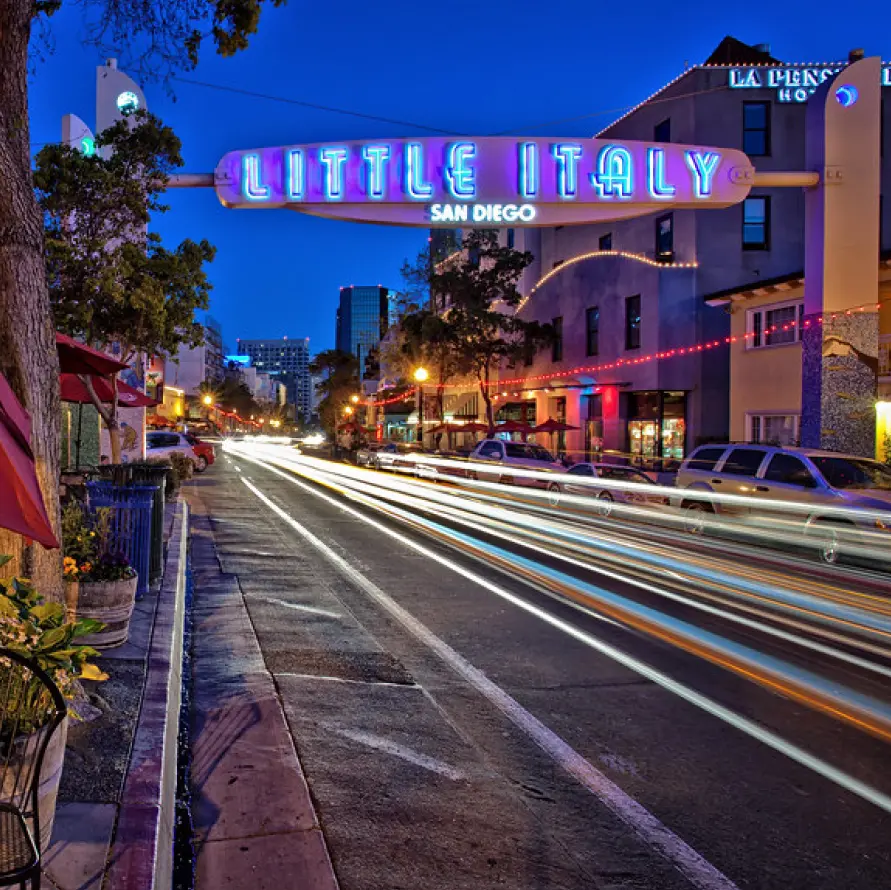
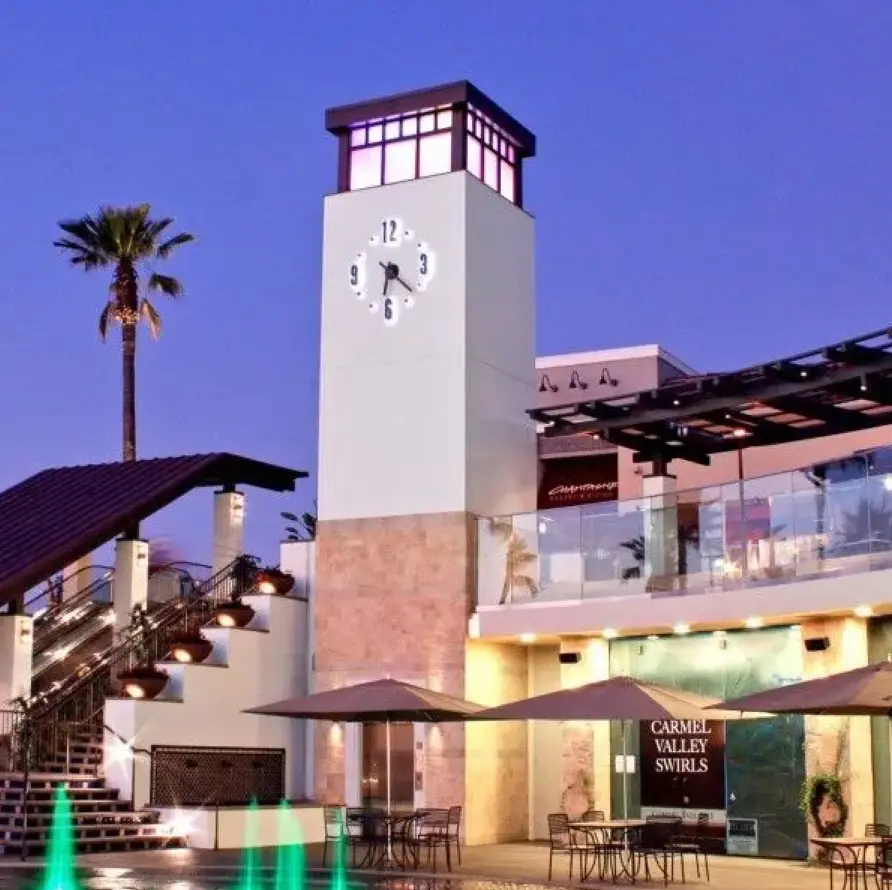
Khashayar Law Group handles auto accident cases throughout San Diego County and across California, from offices in Little Italy, Downtown San Diego, Carmel Valley, and San Francisco. Read our guide to choosing a car accident lawyer in San Diego, or start with the San Diego car accident lawyer page. Call (858) 509-1550 for a free consultation.
Sources
- Vehicle Code §22350: Basic speed law
- Vehicle Code §21801: Left turn yield
- Vehicle Code §21453: Red signal
- Vehicle Code §21451: Green signal
- Vehicle Code §20008: 24-hour injury crash report
- Evidence Code §669: Negligence per se
- California Office of Traffic Safety: Quick stats
- FHWA: About intersection safety
- Li v. Yellow Cab Co. (1975) 13 Cal.3d 804
Case results disclosure: Settlement results above are firm reported unless identified as a verdict; settlement terms may be confidential. Past results do not guarantee future outcomes. Every case depends on its facts, evidence, defendants, insurance coverage, venue, and applicable law. See our editorial policy. This article is general information, not legal advice, and does not create an attorney-client relationship.