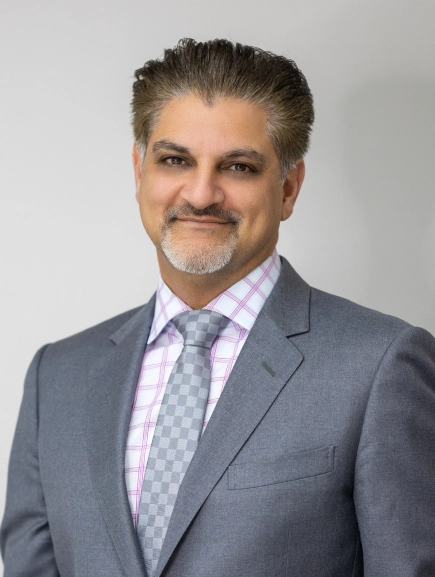
By: Daryoosh Khashayar, Founder and Managing Partner, Khashayar Law Group | ABOTA Member | Office: 1350 Columbia St., Suite 303, San Diego, CA 92101 | Practice Area: Personal Injury, Truck Accidents | Last Updated: August 2026.
Practice area: San Diego Truck Accidents.
Legal review note: This article was reviewed for general California truck accident procedure and federal motor carrier regulations and updated as of August 2026. Statutes, regulations, and case law can change. This article is general information, not legal advice. Past results do not guarantee future outcomes.
TL;DR
Truck accident cases in San Diego can be more complex than standard car accident claims because they may involve federal trucking regulations, multiple potentially responsible parties, commercial insurance policies, and time-sensitive evidence such as electronic logging device (ELD) data, onboard computer records, maintenance records, dashcam footage, dispatch communications, and cargo-loading records.
Khashayar Law Group represents injured clients in serious commercial-transportation cases. The firm publishes several truck-related results, including firm-reported settlements and a stated jury verdict. Readers evaluating any truck accident attorney should ask which results are public verdicts, which are confidential settlements, who handled the case, and whether the firm will advance the costs needed to investigate and litigate a serious truck claim.
Why Truck Cases Are Different from Standard Car Accident Cases
A commercial truck accident is, in most cases, a federal regulatory case overlaid on a California tort case. Commercial truck drivers and motor carriers are regulated by the Federal Motor Carrier Safety Administration (FMCSA) under 49 CFR Subchapter B, which includes hours-of-service limits, driver qualification files, drug-and-alcohol testing, vehicle inspection and maintenance, and minimum liability insurance. California negligence law applies on top.
Three features generally make truck cases distinct:
- Multiple potentially responsible parties. A single crash can involve the driver, the motor carrier, the shipper or cargo loader, the truck or component manufacturer, maintenance contractors, and in some cases leasing or brokering companies.
- Time-sensitive evidence. Electronic logging device data, dashcam footage, dispatch records, and post-crash drug-and-alcohol test results are often subject to retention windows that can be measured in days or weeks rather than months. A litigation hold or preservation letter sent early in the case can be important.
- Higher minimum insurance. Under 49 CFR §387, commercial motor carriers generally must carry liability minimums starting at $750,000 for general freight and increasing for hazardous materials, with many carriers maintaining substantially higher policies.
Federal Regulations That Often Apply
- Hours of Service: 49 CFR §395. Limits on daily and weekly driving and on-duty time. Violations can be evidence of fatigue and are often relevant to negligence per se in California courts.
- Driver Qualification Files: 49 CFR §391. Records of medical certifications, prior employer inquiries, and disqualifying history.
- Drug and Alcohol Testing: 49 CFR §382. Includes post-crash testing in qualifying crashes.
- Inspection, Repair, and Maintenance: 49 CFR §396. Required pre-trip inspections and maintenance recordkeeping.
- Minimum Liability Insurance: 49 CFR §387. Minimums vary by cargo type.
Evidence Preservation After a San Diego Truck Crash
The strongest predictor of recovery in a commercial truck case is often what evidence survives the first 30 days. Common categories include:
- Electronic logging device (ELD) data showing the driver’s hours of service.
- Dashcam and inward-facing cab camera footage.
- Dispatch records and route logs.
- The driver’s qualification file.
- Post-crash drug-and-alcohol testing results.
- Vehicle inspection and maintenance logs.
- GPS and telematics data.
- The California Highway Patrol commercial vehicle crash report.
Carriers may retain certain records on rolling buffers and routinely cycle out older data once retention windows expire. A formal preservation/litigation hold letter sent to the carrier and its insurer is a common way to freeze the relevant records and trigger spoliation exposure if the records are destroyed after notice.
Who May Be Responsible in a California Truck Case
California is a pure comparative negligence state under Civil Code §1714, which means a plaintiff may pursue every defendant whose conduct contributed to the crash, in proportion to fault. In a typical commercial truck case the defendant list may include:
- The truck driver, for direct negligence behind the wheel.
- The motor carrier, under respondeat superior for the driver’s on-duty conduct and on direct theories such as negligent hiring, training, supervision, retention, and maintenance.
- The cargo loader or shipper, when improperly secured or overloaded cargo contributed to the crash.
- The truck or component manufacturer, on product-liability theories for defective brakes, tires, steering, or coupling components.
- Maintenance contractors, for missed inspections or improper repairs.
- In some configurations, leasing or brokering companies.
For the full defendant-by-defendant breakdown, including the May 2026 U.S. Supreme Court decision that opened freight brokers to negligent-selection claims nationwide, see our guide: Suing a Trucking Company in California.
California Deadlines
The standard personal-injury statute of limitations in California is two years under Code of Civil Procedure §335.1. If a public entity may be responsible (for example, a public road maintenance issue or a public-vehicle collision), Government Code §911.2 generally requires a written government claim within six months. Wrongful-death cases also generally fall under the two-year period, but consult counsel on specific facts.
Evaluating a San Diego Truck Accident Attorney
Serious truck accident cases are often prepared with litigation in mind from the beginning. A lawyer’s trial experience can matter because commercial carriers and insurers evaluate not only the facts of the crash, but also whether opposing counsel is prepared to litigate if settlement negotiations fail. Useful evaluation criteria include:
- Recent trial experience. Has the attorney recently tried civil jury cases to verdict?
- FMCSA familiarity. Does the attorney understand which federal rules likely apply and how to obtain compliance records?
- Speed on evidence preservation. Will the firm send a litigation hold letter to the carrier and insurer within the first week?
- Capacity to fund expert-heavy litigation. Truck cases often require trucking-industry experts, accident reconstructionists, biomechanical experts, and economists.
- Communication and staffing. Ask who will personally handle the case day to day.
- Fee terms. Confirm contingency percentage and cost-advance terms in writing.
These criteria apply whether your crash involved a semi truck, an 18-wheeler, a big rig, a box truck, or another commercial vehicle. There is no official list of the best semi truck accident lawyer in San Diego, so treat the checklist above as your ranking system and verify what any firm tells you: ABOTA membership at abota.org, California license standing at calbar.ca.gov, and published results with sources. A firm that answers all six questions plainly in a free consultation is showing you how it will handle your case.
About Khashayar Law Group’s Experience
Khashayar Law Group is led by founder and managing partner Daryoosh Khashayar, a member of the American Board of Trial Advocates (ABOTA). ABOTA is an invitation-only trial-lawyer organization whose membership requirements include civil jury-trial experience and local chapter approval. Readers can consider ABOTA membership as one signal of trial experience, while also asking any lawyer about recent cases, staffing, communication, fees, and who will personally handle the matter.
Published Truck and Commercial-Transportation Case Results
- $5,000,000: Truck-and-scooter policy-limits settlement. Firm-reported settlement. Reported as reversing an initial adverse fault determination after evidence preservation. Source: Khashayar Law Group case page.
- $4,900,000: Automobile accident settlement. Firm-reported settlement involving back surgeries after a red-light collision. Related result, not a truck case. Source: Khashayar Law Group case page.
- $2,300,000: Truck/commercial-vehicle jury verdict (firm-reported). Referenced on the firm’s attorney profile pages. Documentation note: case name, court, and year are not currently published on the public case-results page; readers may request these details during a consultation.
- $61,587,000: Legal-malpractice / patent-negligence verdict. Publicly reported complex civil verdict. Not a truck case; included to show the firm’s experience handling complex high-damages civil litigation. Source: Khashayar Law Group case page.
Case-results disclosure: Past results do not guarantee future outcomes. Verdicts, judgments, and settlements depend on the facts, defendants, insurance coverage, injuries, evidence, venue, and applicable law. Some settlement results are firm-reported because settlement terms may be confidential.
Frequently Asked Questions
What makes a commercial truck accident case different in California?
The combination of FMCSA federal regulations, multiple potentially liable parties, time-sensitive carrier records, and higher commercial insurance minimums. The federal regulatory layer often supports negligence per se arguments when carriers or drivers have violated specific rules.
How long do I have to file a truck accident claim in California?
California Code of Civil Procedure §335.1 generally sets a two-year limit for personal-injury claims. Government Code §911.2 may require a written claim within six months when a public entity may be responsible. Consult counsel on specific facts.
Who might be responsible for my truck accident?
Possible defendants include the driver, the motor carrier, the shipper or cargo loader, the manufacturer of the truck or a defective component, maintenance contractors, and in some configurations leasing or brokering companies. California’s pure comparative negligence rule allows recovery from each in proportion to fault.
Can I sue the trucking company directly after a crash?
Usually yes. The motor carrier is generally responsible for its driver's on-duty negligence under respondeat superior, and carriers can also be sued directly for negligent hiring, training, supervision, retention, and maintenance. Depending on the facts, the shipper, the cargo loader, a maintenance contractor, or a broker may also be proper defendants. Suing the trucking company matters because the carrier holds the commercial insurance policy, with federal minimums starting at $750,000 under 49 CFR §387 and many carriers insured well above that.
Who is the best semi truck accident lawyer in San Diego?
No official ranking exists, so verify instead of trusting slogans: confirm trial credentials (ABOTA membership at abota.org), ask for truck-specific results, get no win, no fee terms in writing under Business and Professions Code §6147, and confirm the firm will send a preservation letter to the carrier immediately. Khashayar Law Group's commercial-transportation results include a $5,000,000 truck-and-scooter policy-limits settlement, and the firm is led by ABOTA-member trial attorney Daryoosh Khashayar. Apply the same checks to every firm you consider. Past results do not guarantee future outcomes.
What evidence is most important after a truck crash?
ELD data, dashcam footage, dispatch records, the driver’s qualification file, post-crash drug-and-alcohol testing, and vehicle inspection records. Preservation letters sent early are commonly used to protect this evidence.
What does a San Diego truck accident attorney cost?
California personal-injury attorneys typically work on a contingency-fee basis, often described as no win, no fee, under Business and Professions Code §6147. There is no attorney fee unless the case results in a recovery. The fee is a percentage of the recovery, disclosed in writing before the client signs, and most firms, including Khashayar Law Group, advance litigation costs. The initial consultation is free.
Deeper Guides from Our Truck Accident Team
- Suing a Trucking Company in California: Who You Can Sue and How It Works: every defendant a truck case can reach, the insurance behind each one, and the May 2026 Supreme Court decision that added freight brokers to the list in every state.
- Truck Accident Settlements in California: What Drives Case Value: why there is no real average settlement number, and the three factors that actually set what a case is worth.
Schedule a Free, Confidential Consultation
Khashayar Law Group offers free initial consultations to San Diego truck accident victims. Call (858) 509-1550 or visit the contact page.
Sources and Further Reading
- FMCSA: Hours of Service Regulations (49 CFR §395)
- 49 CFR §387: FMCSA minimum liability insurance
- 49 CFR §393: FMCSA cargo securement
- California Civil Code §1714: Pure comparative negligence
- California Code of Civil Procedure §335.1: Statute of limitations
- American Board of Trial Advocates: Membership ranks
Disclaimer: This article is general information, not legal advice, and does not create an attorney-client relationship. Statutes, regulations, and case law can change. Past results do not guarantee future outcomes. Every case depends on its specific facts, evidence, defendants, insurance coverage, venue, and applicable law.