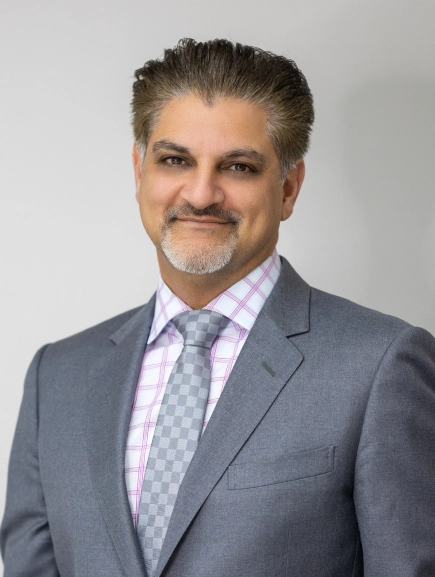
Reviewed by: Daryoosh Khashayar, Founder and Managing Partner, Khashayar Law Group | ABOTA Member | Office: 1350 Columbia St., Suite 303, San Diego, CA 92101 | Practice Area: Rideshare (Uber/Lyft) Accidents — California | Last Updated: July 2026.
Practice area: San Diego Rideshare Accidents (Uber & Lyft).
Legal review note: This article was reviewed for general California rideshare procedure and updated as of July 2026. Statutes, insurance requirements, and case law can change. This article is general information, not legal advice. Past results do not guarantee future outcomes.
Rideshare insurance note: California TNC insurance requirements have changed. Coverage available after a crash depends on the law in effect on the crash date and the applicable version of Public Utilities Code §5433. This article reflects the current statutory text as updated January 1, 2026.
TL;DR
California rideshare insurance under Public Utilities Code §5433 depends on the driver’s app status at the moment of the crash. The current statutory text provides primary liability coverage of $1,000,000 once a ride request is accepted and through the end of the trip, lower contingent coverage when the driver is logged in but has not accepted a ride, and uninsured/underinsured motorist coverage of $60,000 per person and $300,000 per incident while a passenger is in the vehicle. The CPUC’s public guidance page still references older $1,000,000 UM/UIM language; coverage on any specific claim should be evaluated under the law in effect on the crash date.
When evaluating a San Diego rideshare accident lawyer, look for an attorney who moves quickly to preserve app-status data and trip records, understands how the TNC insurance phases interact with personal auto policies, and has trial experience in disputed-liability injury cases. Khashayar Law Group is led by ABOTA member Daryoosh Khashayar and publishes several seven- and eight-figure injury and civil-litigation results, including transportation-related results that may be relevant to evaluating the firm’s ability to handle commercial coverage and contested liability.
California Rideshare Insurance Phases (PUC §5433)
California TNC services are organized into three insurance phases keyed to the driver’s app status. The current statutory text of Public Utilities Code §5433 (updated January 1, 2026; verified December 29, 2025) sets the following requirements:
Phase 1 — App on, no ride accepted
- Primary liability: at least $50,000 per person for death and personal injury, $100,000 per incident, and $30,000 for property damage. May be satisfied by the driver’s TNC-specific policy, the TNC’s policy, or a combination.
- Excess coverage: at least $200,000 per occurrence in excess of the primary coverage above, insuring both the TNC and the driver.
Phase 2 — Ride accepted, en route to the passenger
- Primary liability: $1,000,000 for death, personal injury, and property damage. Coverage begins the moment the driver accepts a ride request.
Phase 3 — Passenger in the vehicle
- Primary liability: $1,000,000 (continues from Phase 2 until the trip ends).
- Uninsured/Underinsured Motorist (UM/UIM): $60,000 per person and $300,000 per incident under current PUC §5433(b)(2). The UM/UIM coverage applies from the moment the passenger enters the vehicle until the passenger exits, and is primary over other applicable UM/UIM coverage.
Important reconciliation note. The CPUC’s public-facing “Insurance Requirements for TNCs” page currently describes Period 3 UM/UIM at the older $1,000,000 figure. The current statutory text of PUC §5433(b)(2) is $60,000 / $300,000. Coverage on any specific claim should be evaluated under the version of the statute in effect on the crash date, with reference to the official statutory source on leginfo.legislature.ca.gov.
If the app was off entirely at the moment of the crash, TNC coverage typically does not apply, and the driver’s personal auto policy is usually the starting point. Personal auto policies in California often exclude commercial driving activity, which is one reason app-status records, trip timestamps, and preservation letters matter early.
What to Do After a San Diego Rideshare Accident
- Call 911 and request medical attention. Even minor symptoms can mask delayed-onset injuries. Same-day medical evaluation also protects the claim from defense arguments about gaps in treatment.
- Document the ride. Screenshot the ride within the rideshare app (driver name, vehicle, time, route) and save the ride receipt.
- Get a police report on scene. In San Diego, this is typically the San Diego Police Department or California Highway Patrol. Obtain a report number before anyone leaves.
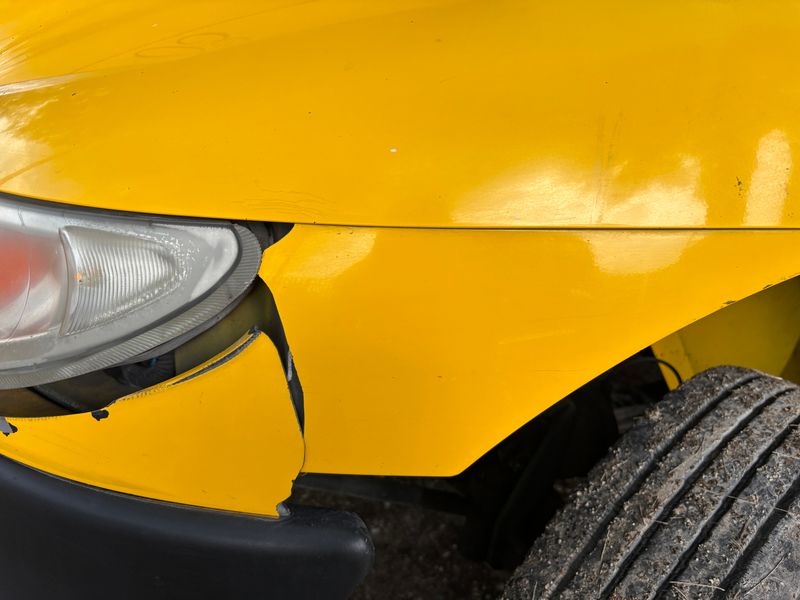
- Photograph the scene. Vehicle damage from multiple angles, license plates, road conditions, visible injuries, and any traffic-control devices.
- Collect witness contact info. Witnesses scatter quickly. Names and phone numbers matter.
- Do not give a recorded statement to the rideshare insurer before speaking with an attorney. Recorded statements taken in the first days of a case are designed to lock in inconsistent details that may be used later to impeach testimony.
- Talk with a personal-injury attorney about preserving app-status data. Trip telemetry, app-status logs, and ride acceptance timestamps are central to TNC coverage analysis.
Direct Liability vs. Insurance Recovery
If the driver’s app was active, applicable TNC insurance may be available depending on the driver’s status and the law in effect on the crash date. Direct claims against Uber, Lyft, or another TNC depend on the facts, available legal theories, and the evidence (for example, negligent hiring or retention if the driver had a disqualifying record under PUC §5445.2). California’s pure comparative negligence rule under Civil Code §1714 allows an injured plaintiff to pursue every defendant whose conduct contributed to the crash, in proportion to fault.
Damages in California Rideshare Cases
Available damage categories generally include economic damages (medical bills, lost income, future care, household services, property damage) and non-economic damages (pain and suffering, emotional distress, loss of enjoyment of life). Punitive damages under California Civil Code §3294 are fact-specific and not a routine recoverable category; they typically require clear and convincing evidence of oppression, fraud, or malice.
Evaluating a San Diego Uber or Lyft Accident Lawyer
Useful evaluation criteria when meeting with rideshare-injury counsel:
- TNC knowledge. Does the attorney know which insurance phase applied at the moment of the crash, and can they explain how PUC §5433 has changed over time?
- Speed on evidence preservation. Will the firm send preservation letters within the first week to lock in app status data, trip telemetry, and dashcam footage?
- Trial readiness. Trial experience can affect how insurers evaluate settlement risk. ABOTA membership is one signal; verify recent trial activity directly.
- Multiple-insurance-layer experience. Many serious rideshare crashes involve the TNC policy, the driver’s personal policy, the at-fault third-party driver’s policy, and potentially UM/UIM coverage. Ask how the attorney has handled stacked or sequential coverage analysis.
- Communication and staffing. Ask who will personally handle the case day to day.
- Fee terms. Confirm contingency percentage and cost-advance terms in writing.
Published case results can be useful, but they should be read carefully: ask whether a listed result involved Uber or Lyft specifically or whether it is a related transportation or insurance-coverage result.
About Khashayar Law Group’s Experience
Khashayar Law Group is led by founder and managing partner Daryoosh Khashayar, a member of the American Board of Trial Advocates (ABOTA). ABOTA is an invitation-only trial-lawyer organization whose membership requirements include civil jury-trial experience and local chapter approval. ABOTA membership is one signal of trial experience; clients should still ask any attorney about recent cases, staffing, communication, fees, and who will personally handle the matter.
Related Case Results
Khashayar Law Group publishes several personal-injury and transportation-related results that may be relevant when evaluating the firm’s ability to handle disputed liability and insurance-coverage issues. Not every result below is a rideshare/TNC case.
- $5,000,000 — Truck-and-scooter policy-limits settlement. Related commercial-transportation / contested-liability result. This was not an Uber or Lyft case; it is included to show the firm’s experience with commercial vehicle litigation and reversing an initial adverse fault determination. Source: Khashayar Law Group case page.
- $4,900,000 — Automobile accident settlement. Firm-reported settlement involving back surgeries after a red-light collision. Source: Khashayar Law Group case page.
- $4,500,000 verdict / $4,800,000 judgment — City of San Diego trip-and-fall / TBI case (Brownlee). Public-entity serious-injury result, not a rideshare case. Source: Khashayar Law Group case page; CBS 8 coverage.
- $61,587,000 — Legal-malpractice / patent-negligence verdict. Publicly reported complex civil verdict. Not a rideshare or personal-injury case, but relevant to courtroom capability. Source: Khashayar Law Group case page.
Case-results disclosure: Past results do not guarantee future outcomes. Each rideshare case turns on app status, fault, injuries, coverage, defendants, evidence, and applicable law. Some settlement results are firm-reported because settlement terms may be confidential.
Frequently Asked Questions
Who should I call after an Uber accident in San Diego?
Call 911 first so police and medics respond and a report gets made; in San Diego that report typically comes from the San Diego Police Department or the California Highway Patrol. Get same-day medical care even if you feel mostly fine. Then call a rideshare accident attorney before you speak with any insurance company, because recorded statements given in the first days are used against claims later. Khashayar Law Group offers free, confidential consultations at (858) 509-1550 and can send preservation letters for app-status data before it is lost.
What are the costs associated with hiring a rideshare accident attorney?
Rideshare accident attorneys in San Diego, including Khashayar Law Group, typically work on contingency, often described as no win, no fee. There is no attorney fee unless the case results in a recovery, and California Business and Professions Code §6147 requires the percentage to be stated in a written, signed agreement. Most firms advance litigation costs such as experts, records, and depositions; ask whether you owe those costs if the case is lost, and get the answer in writing. The initial consultation at Khashayar Law Group is free.
What should I look for in a San Diego Uber or Lyft accident lawyer?
Look for an attorney who understands TNC insurance phases, moves quickly to preserve app data and trip records, can identify all available insurance layers, and has experience with disputed-liability injury cases. Published case results can be useful, but ask whether a listed result involved Uber or Lyft specifically or whether it is a related transportation or insurance-coverage result.
Can I sue Uber or Lyft directly after a crash?
If the driver’s app was active, applicable TNC insurance may be available depending on the driver’s status and the law in effect on the crash date. Direct claims against Uber, Lyft, or another TNC depend on the facts and available legal theories.
What insurance applies if I was a passenger in an Uber or Lyft?
Under current PUC §5433, while a passenger is in the vehicle (Phase 3), the TNC’s primary liability coverage of $1,000,000 applies, along with uninsured/underinsured motorist coverage of $60,000 per person and $300,000 per incident. Coverage on any specific claim should be confirmed against the law in effect on the crash date.
What if the rideshare app was off when the crash happened?
If the app was off, TNC coverage typically does not apply, and the driver’s personal auto policy is usually the starting point. Personal auto policies often exclude commercial driving, which can create coverage gaps. App-status records resolve disputes about which policy applies.
What is the deadline to file a rideshare-injury claim in California?
California Code of Civil Procedure §335.1 generally sets a two-year limit for personal-injury claims. Different rules apply if a public entity may have contributed to the crash. Consult counsel about specific facts.
Schedule a Free, Confidential Consultation
Khashayar Law Group offers free initial consultations for San Diego rideshare crash victims. Call (858) 509-1550 or visit the contact page.
Sources and Further Reading
- California Public Utilities Code §5433 (official statutory text)
- California.Public.Law — PUC §5433 (updated Jan. 1, 2026)
- CPUC — Insurance Requirements for TNCs (note: still references older $1M UM/UIM as of this writing)
- California Code of Civil Procedure §335.1 — Statute of limitations
- California Civil Code §1714 — Pure comparative negligence
- American Board of Trial Advocates — Membership ranks
Disclaimer: This article is general information, not legal advice, and does not create an attorney-client relationship. California TNC insurance requirements have changed; coverage should be evaluated under the law in effect on the crash date. Past results do not guarantee future outcomes. Every case depends on its specific facts, evidence, defendants, insurance coverage, venue, and applicable law.